
Shared Equipment Means Shared Exposure
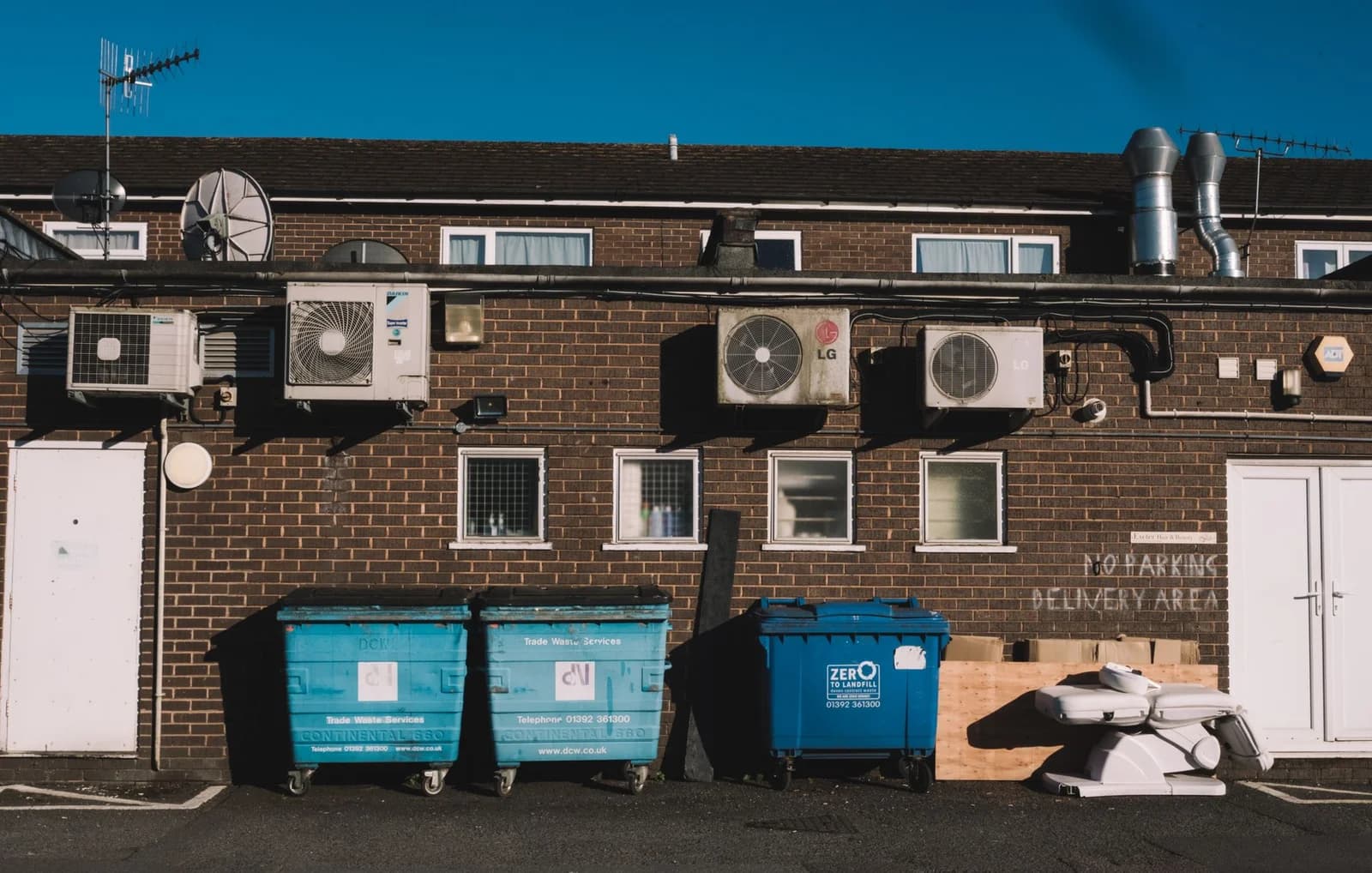
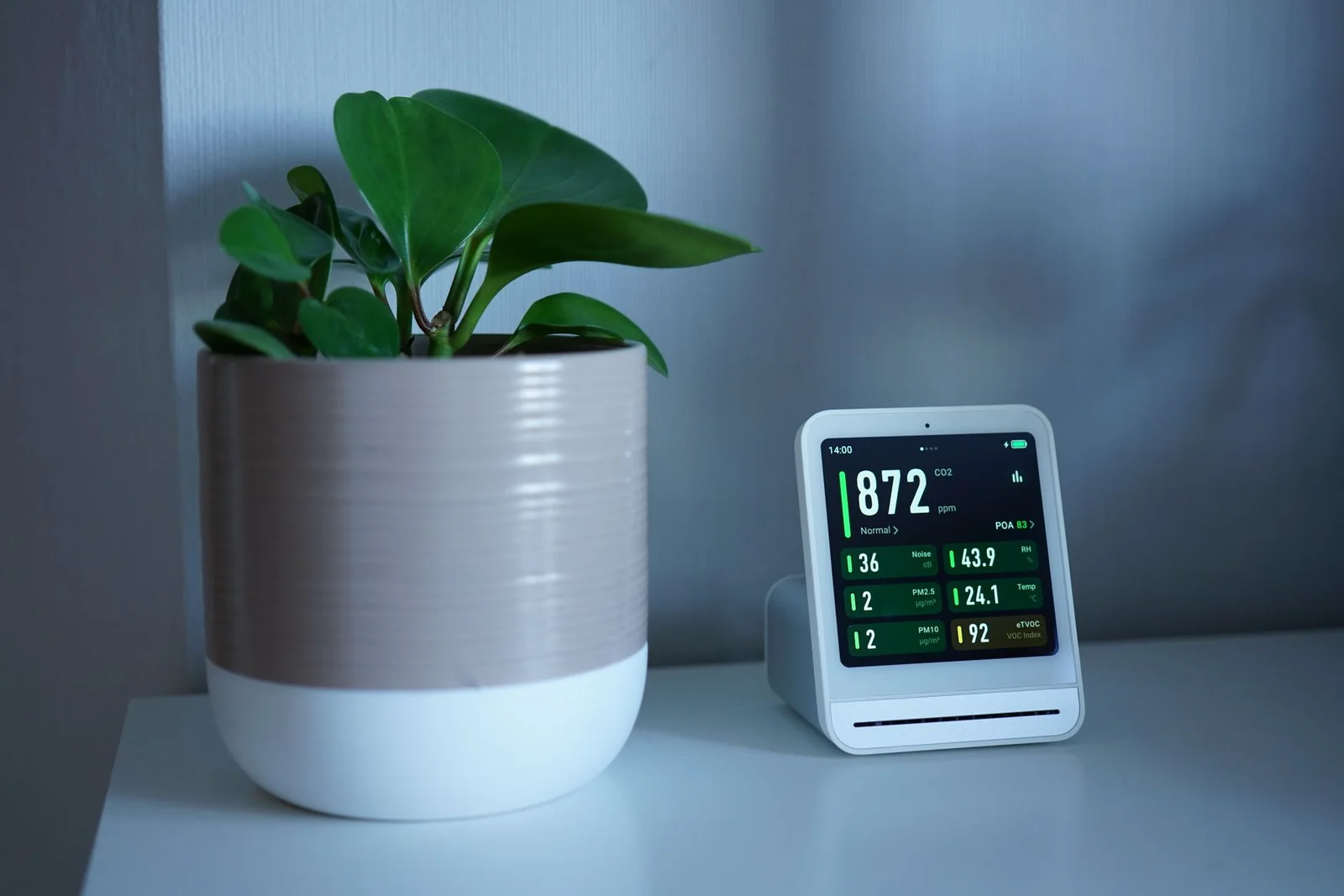
In a single-family home, one owner decides what filtration upgrade to make and lives with the outcome directly. In a West Hollywood condo building or a mid-rise property with a shared rooftop package unit, one filtration decision affects every resident connected to that system. This is the detail that turns wildfire smoke season from a personal comfort issue into a property management responsibility with real documentation requirements attached.
West Hollywood AirCon Co. works with property managers across buildings where the HVAC infrastructure is genuinely shared, and the protocol below reflects what separates a property manager who handles a smoke event cleanly from one who ends up fielding complaints and questions for weeks afterward.
Before the Season: What to Confirm in Advance
The work that matters most happens before smoke is in the air, not during. Before fire season begins, confirm the filtration rating currently installed on any shared system, and check it against the system's static pressure tolerance so you know whether an upgrade is even possible without straining the equipment. Confirm the fan setting works the way you expect, since running the fan continuously during a smoke event only helps if the setting actually does what the thermostat interface implies it does. Document both checks with a date, so if a resident asks whether the building was prepared, the answer is a record rather than a guess.
During a Red Flag Warning: The Notification Step
When the National Weather Service issues a red flag warning, tenants in buildings with shared HVAC infrastructure benefit from a heads-up before smoke is actually visible, not after. A brief notice explaining that the fan setting has been switched to continuous circulation, and reminding residents to keep windows closed, gives tenants time to plan rather than reacting mid-event. Keeping a copy of that notice, along with the date and time it went out, becomes part of the record if anyone later asks what the building did during the event.
During the Event: What to Check and Log
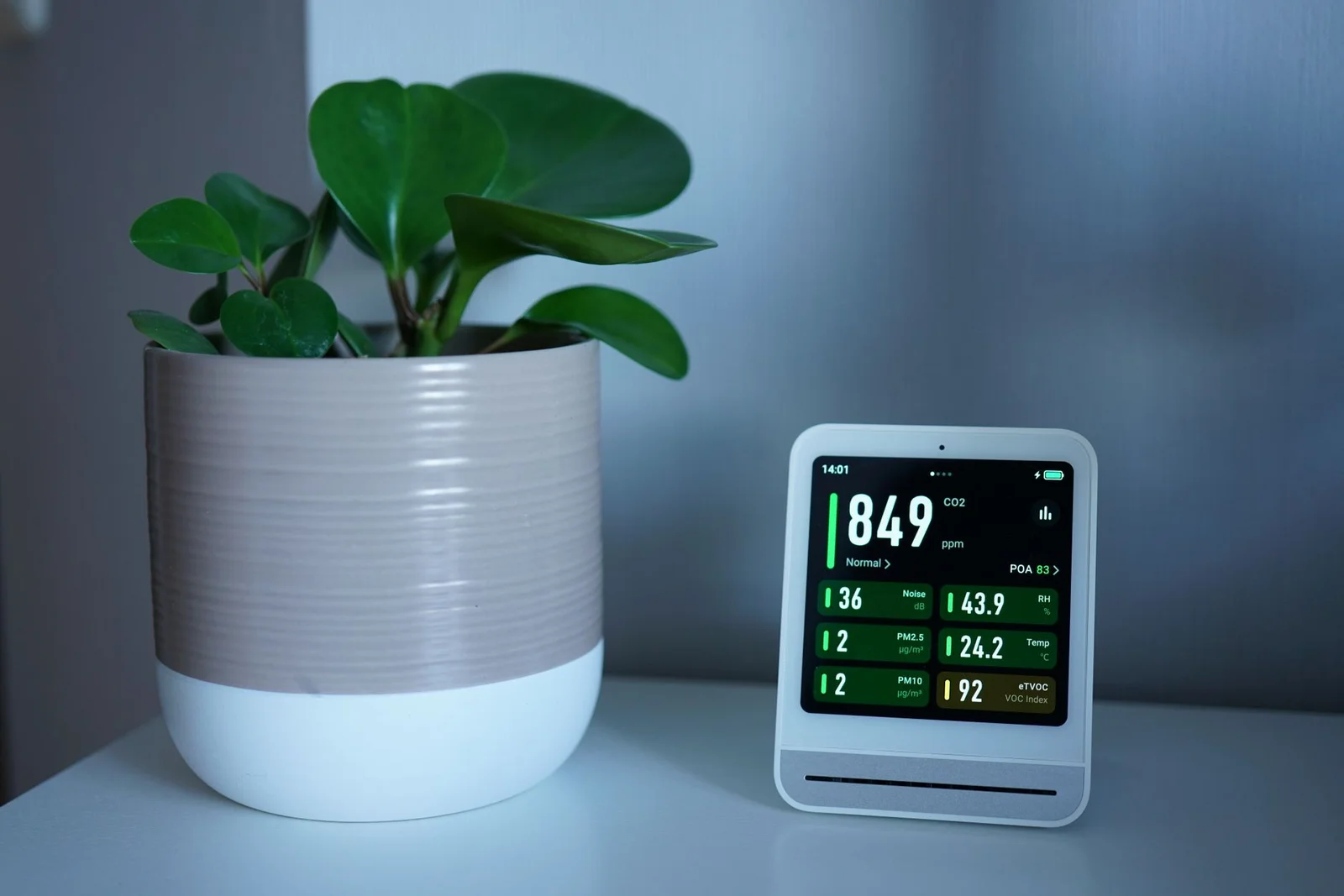
While smoke conditions are active, the filter on a shared system loads up faster than it would in a normal week. Checking it partway through an extended event, rather than waiting for the next scheduled service date, catches a filter that has become a bottleneck before it starts restricting airflow enough to strain the blower. Log the check even if the filter does not need replacing yet, since the log itself demonstrates active monitoring rather than a passive hope that the existing filter holds up.
For Renters Who Cannot Modify the System Themselves
In buildings where individual tenants cannot alter the shared HVAC system, a property manager can point residents toward supplemental options that do not require any building-level change, a standalone air cleaner for the room they spend the most time in being the most common. Communicating this option during the notification step, rather than waiting for a tenant to ask, positions the property manager as proactive rather than reactive, which matters both for tenant relations and for the record if the building's response is ever questioned.
Coordinating with the HOA Board During an Active Event
In buildings governed by an association, the property manager is often not the only party residents expect to hear from during a smoke event. Board members may field their own questions from neighbors, and a property manager who keeps the board looped in on what the building's HVAC system is doing, and when, avoids a situation where a board member is fielding a resident's question with no information to answer it. A short update sent to the board alongside the tenant notification keeps everyone working from the same facts rather than the board hearing about the building's response secondhand from a resident.
Building a Notification Template You Do Not Have to Write From Scratch
Drafting a clear notice during an actual smoke event, under time pressure, with residents already asking questions, is harder than it needs to be. Building a notification template in advance, one that covers the fan setting change, a reminder to keep windows closed, and where to reach the property manager with questions, means the only thing left to fill in when a red flag warning actually arrives is the date. This is a small piece of preparation that pays off disproportionately, since it is the difference between sending a notice within the hour and still drafting one the next morning after residents have already started calling.
Keeping a Running Log Across Multiple Smoke Events in a Season
A single fire season in Southern California can bring more than one red flag warning, and treating each event as a one-off means starting the documentation process from scratch every time. A running log for the season, with each event's dates, the notification sent, and the filter and coil checks performed, gives a property manager a clear record of the season as a whole rather than a set of disconnected notes. This is especially useful if a resident's concern spans multiple events, since a single running log answers the question of what the building did across the whole season rather than requiring a search through several separate incident files.
After the Smoke Clears: The Close-Out Step
Once air quality returns to normal, schedule a filter replacement even if the calendar says it is not due yet, and schedule a coil check if the event lasted several days, since fine ash settles on evaporator coils the same way household dust does. Document both of these as smoke-event follow-up specifically, separate from routine seasonal maintenance, so the record clearly shows the building responded to that particular event rather than the work simply falling on a regular schedule by coincidence.
Why This Documentation Matters for Hillside Properties Specifically
Beverly Hills properties near Coldwater Canyon and Franklin Canyon, along with hillside homes throughout the broader service area, sit closer to the source when an active fire event is producing smoke than the flatter parts of the city do. For a property manager overseeing hillside properties, the documentation trail described here is not just good practice, it is the record showing the building took the exposure seriously during the exact window when it mattered most, which matters if a resident's health concern ever becomes a more formal question later.
Assigning Ownership of the Protocol
A protocol that exists only as a general understanding tends to fall apart the first time the person who usually handles it is out of town when a warning is issued. Naming a specific person responsible for sending the notification, checking the filter, and logging the event, along with a clear backup if that person is unavailable, is what keeps the protocol running the same way every time regardless of who happens to be on site that week.
Building the Protocol Into Your Standard Operating Procedure
The buildings that handle smoke season smoothly are the ones where this protocol is written down and assigned to a specific person before the season starts, rather than improvised the first time a red flag warning appears on the forecast. If your building does not currently have this protocol formalized, West Hollywood AirCon Co. can help you build one that matches your specific HVAC setup. Call (877) 629-5217 to get your building ready before the next fire season, not during it.
Need Professional HVAC Service?
Our HVAC-experienced technicians are ready to help with all your AC and heating needs. Contact West Hollywood AirCon Co. today for expert service throughout the the Surrounding Los Angeles Neighborhoods service area.