
Why a Paper Trail Is Part of the Job
A tenant stops calling once the air comes back on. A board member, an owner, or an insurance adjuster asks a different question months or years later: what was actually done, when, and by whom. If the answer lives only in a technician's memory or a text message that got deleted during a phone upgrade, the property manager is the one left explaining a gap that should never have existed.
West Hollywood AirCon Co. works with property managers across condo buildings near Santa Monica Boulevard, rent-controlled apartment stock throughout the city, and gated HOA communities such as Bell Canyon, Hidden Hills, and Calabasas, where the board itself expects a documented history of every piece of exterior equipment. In every one of those settings, the maintenance record is not a courtesy. It is the thing that protects the property manager when a question comes up that nobody anticipated at the time of the visit.
What a Real Maintenance Record Contains
A record worth keeping answers questions nobody is asking yet. At minimum, that means:
- - The unit number or building address the work was performed at
- The date and time of the visit
- The name of the technician who performed the work
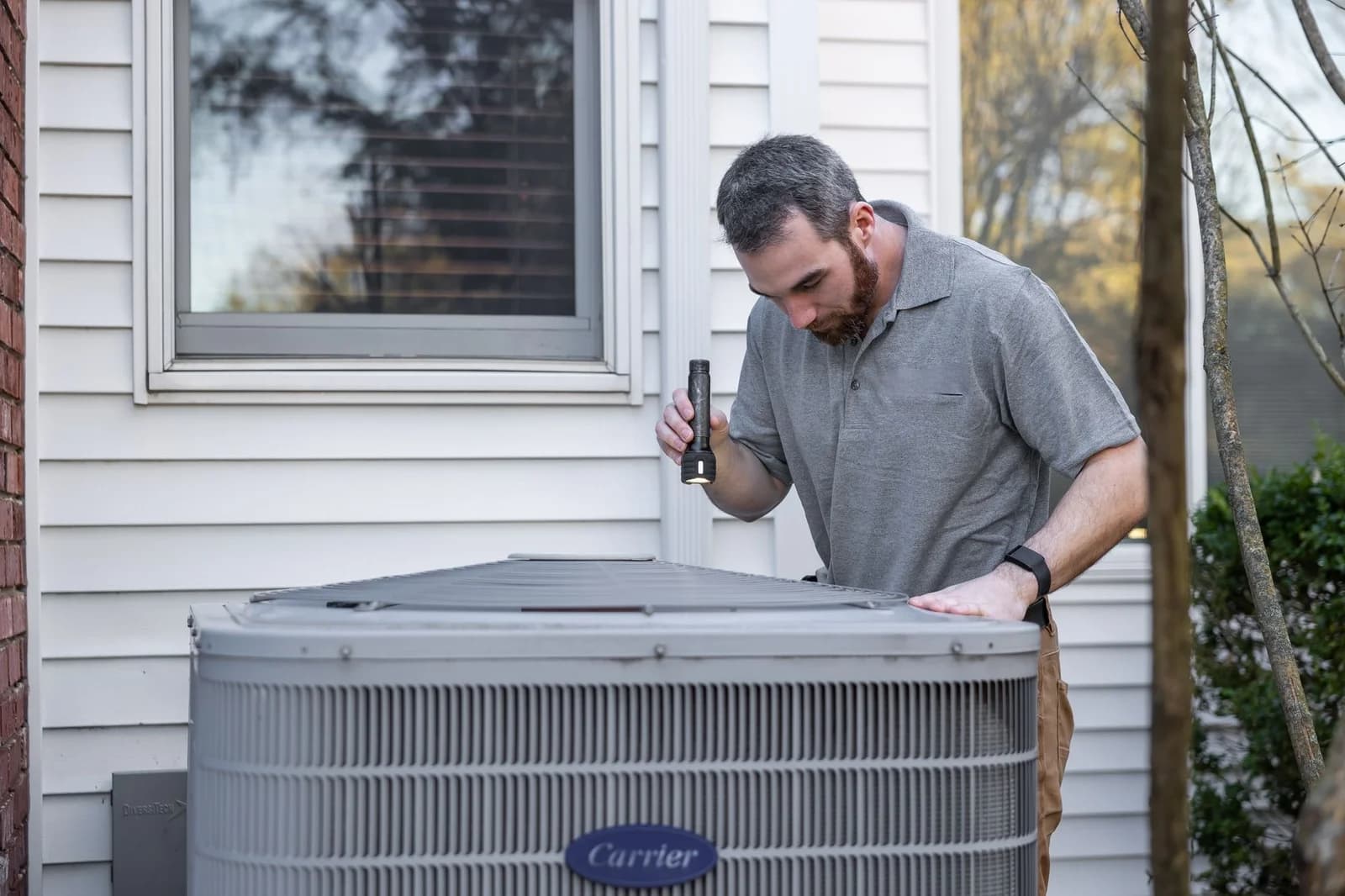
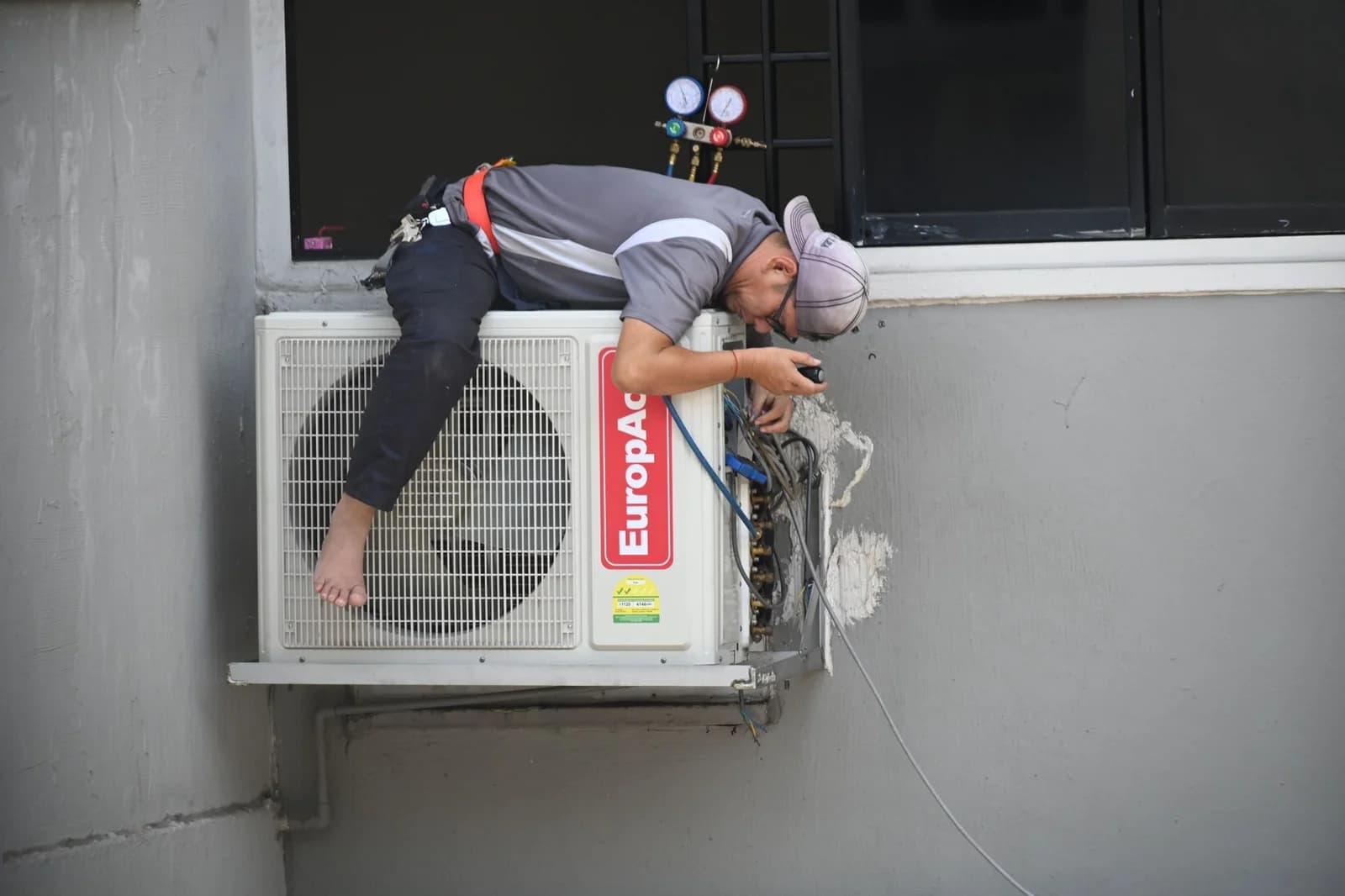
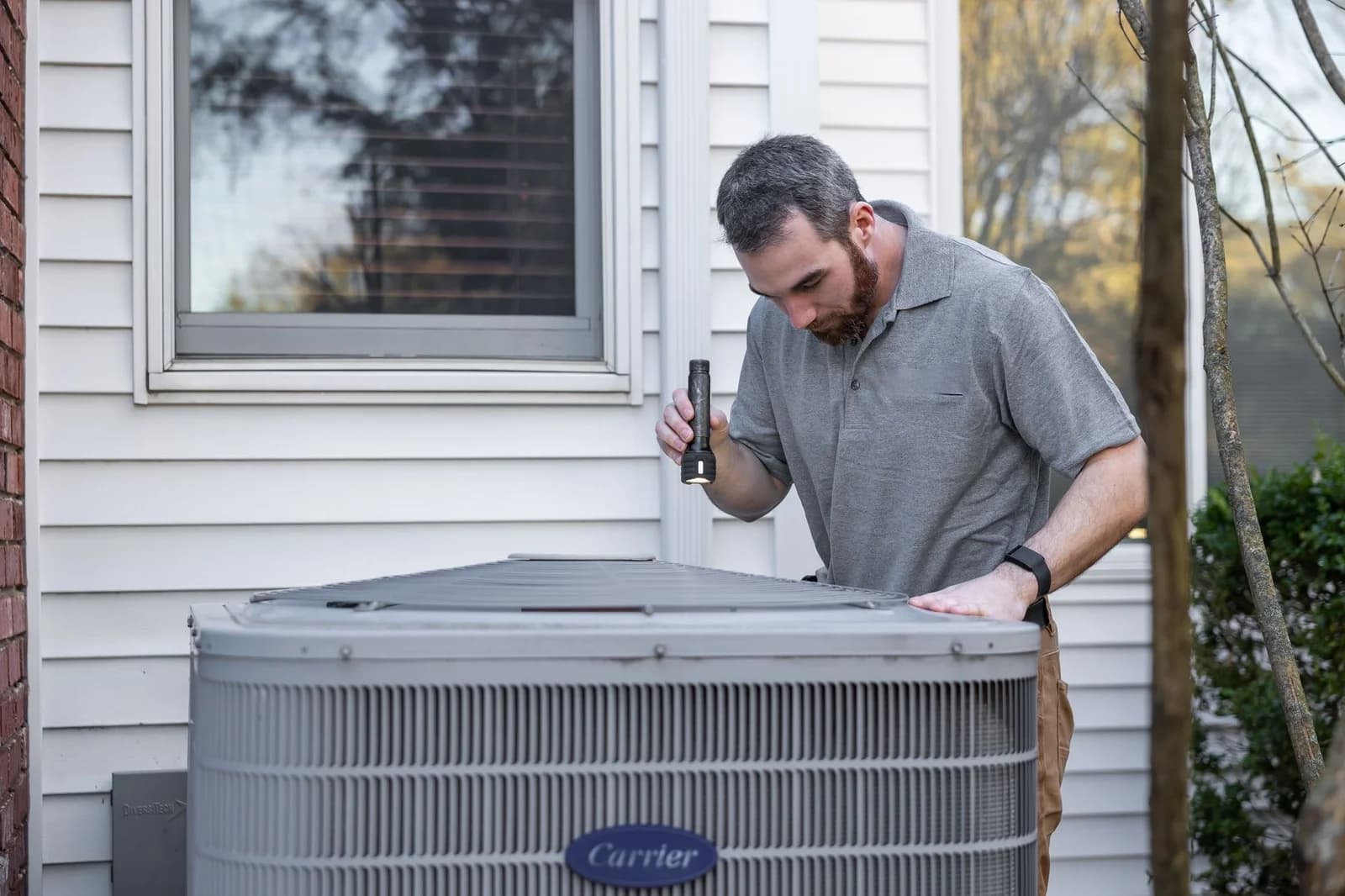
- What was inspected, cleaned, or tested, listed by component
- What was found, described in plain language rather than a checkbox
- What was replaced or repaired, with the part named
- The condition of the system at the end of the visit
- Any follow-up recommended and a timeframe for it
A slip that only reads "AC serviced" tells a board nothing useful a year later. A record that names the condenser coil, the refrigerant charge reading, and the capacitor test result gives whoever reads it next, a new property manager, an owner weighing a sale, or an insurance adjuster, something they can actually act on.

Why HOA Boards Ask for This Specifically
Gated communities like Bell Canyon operate under CC&Rs that govern exterior equipment down to setback distance and screening. When a board approves a condenser replacement or a new mini split outdoor unit, the approval usually comes with an expectation that the work gets documented and that the board can point to it later if a neighbor raises a concern about noise or visibility. A property manager who can hand a board a dated service record with technician notes closes that conversation in one email. A property manager who has to reconstruct the story from memory turns a five-minute question into a drawn-out one.
The same pattern holds inside Hidden Hills and Calabasas HOA structures, where large lots often carry multiple HVAC zones and multiple pieces of exterior equipment. A board reviewing a compliance question wants to see which unit is which, not a general assurance that the technicians came out at some point.
Why Owners Ask for This at Turnover
When a unit changes hands, whether that is a condo sale in West Hollywood or an owner exiting a rental property, the HVAC service history becomes part of what a buyer or a new manager wants to review. A documented pattern of coil cleanings, refrigerant checks, and capacitor testing tells a buyer the equipment was cared for. An empty file tells them nothing, which tends to read as a red flag even when the equipment itself is fine.
We build our visit records with this handoff in mind. Every maintenance stop generates a written summary the property manager can forward as it stands, without needing to translate technician shorthand into something a non-technical reader can follow.
Why Insurance Wants This After a Failure
If a condensate line backs up and damages a ceiling in a unit below, or a rooftop package unit fails and causes a covered loss, the insurance conversation almost always starts with a question about maintenance history. Was the system serviced on a regular basis? When was the drain line last cleared? A property manager holding a dated record of a condensate check from a prior visit has a very different conversation with an adjuster than one who cannot produce anything at all.
This is where the gap between routine service and documented routine service becomes expensive. The work itself might be identical either way, coils cleaned, drain cleared, connections tightened, but only one of those two scenarios protects the property manager when a claim gets questioned.
Building a System, Not a Filing Habit
The property managers who handle this well are not the ones with the sharpest memory. They are the ones who built a system: a shared folder, a spreadsheet, or a property management platform where every completed visit gets logged the same day, in the same format, by unit or building. We hand off our service notes in a format designed to drop straight into that kind of system rather than requiring a rewrite before it becomes usable.
For a portfolio spanning several buildings across West Hollywood and the surrounding HOA communities, consistency across units matters more than any single record being flawless. A board or an owner comparing two units should be able to read both files the same way, not decode a different technician's personal shorthand for each one.
Records During a Change of Property Management Company
Portfolios change management companies more often than owners change. When that happens, the incoming manager inherits whatever documentation the outgoing one left behind, and a thin file becomes the incoming manager's problem on day one, not the outgoing manager's. A property manager who keeps a clean, current maintenance record is not just protecting themselves during their own tenure. They are protecting the next person who takes over the account, and a well-documented handoff tends to go far smoother than one where the incoming manager has to call every prior vendor just to reconstruct what has and has not been serviced.
We have walked new property managers through a building's HVAC history more than once after a management change, and the difference between a portfolio with organized records and one without is obvious immediately in how long that walkthrough takes. A single afternoon reviewing a clean file beats weeks of piecing together a system's condition from scattered invoices and half-remembered conversations with a departed predecessor.
What to Do If Your Records Have Gaps
If you manage a building where the maintenance history is thin or missing for stretches of time, the fix is not to fabricate a history that does not exist. It is to start the documented pattern now and be straightforward about the gap if anyone asks. A clean record going forward, paired with an honest answer about what came before, holds up far better than a story that does not match reality once someone checks.
Start the File Before You Need It
If your current HVAC service history would not survive a board question or an insurance review, the time to fix that is before either one happens, not during. Reach West Hollywood AirCon Co. at (877) 629-5217 and ask about scheduling a documented maintenance visit for your building or your portfolio. Every visit closes with a written record built for the file, not only for our own dispatch log.
Need Professional HVAC Service?
Our HVAC-experienced technicians are ready to help with all your AC and heating needs. Contact West Hollywood AirCon Co. today for expert service throughout the the Surrounding Los Angeles Neighborhoods service area.