
Why Pre-Approval Cannot Be Skipped
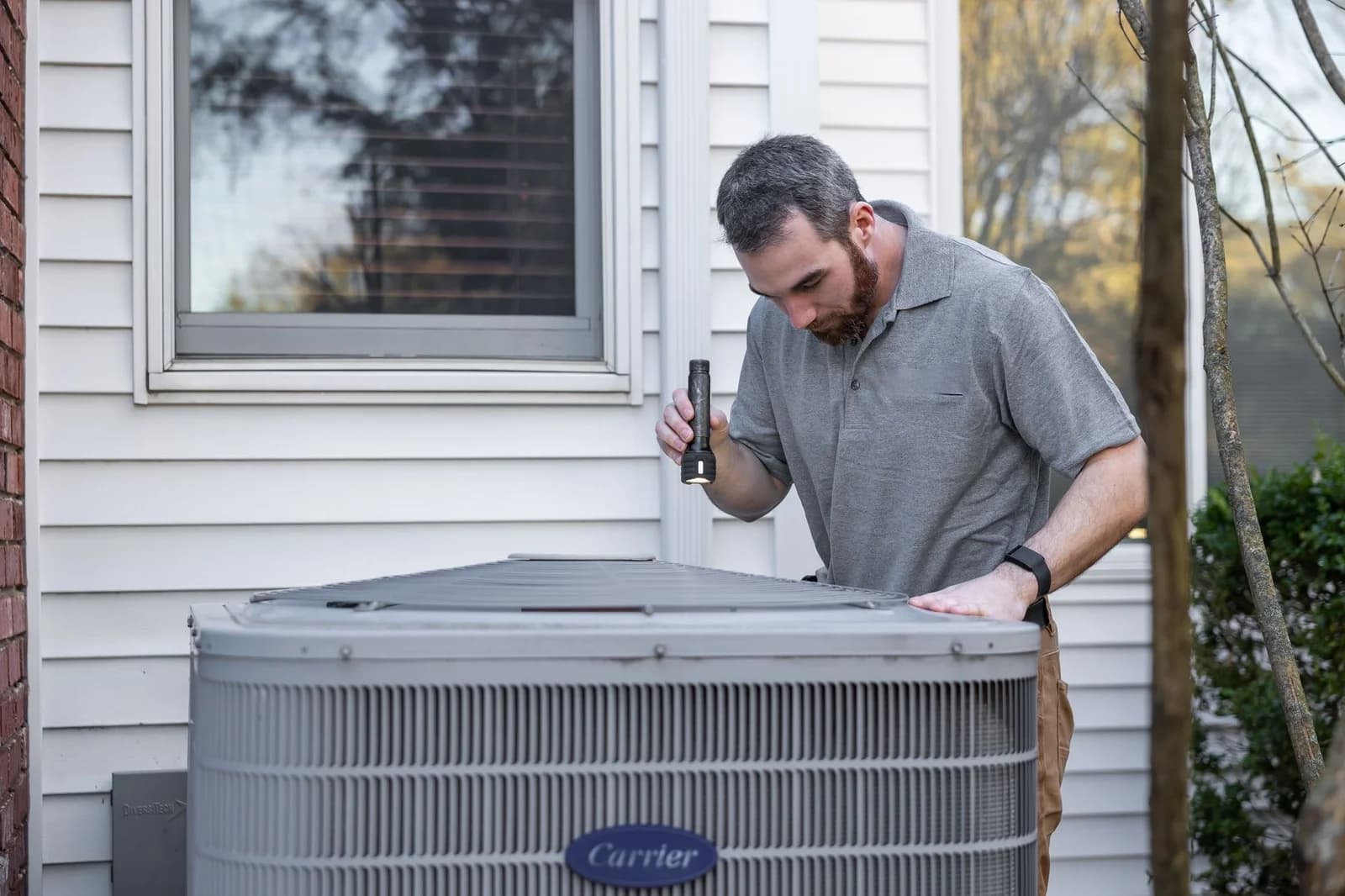
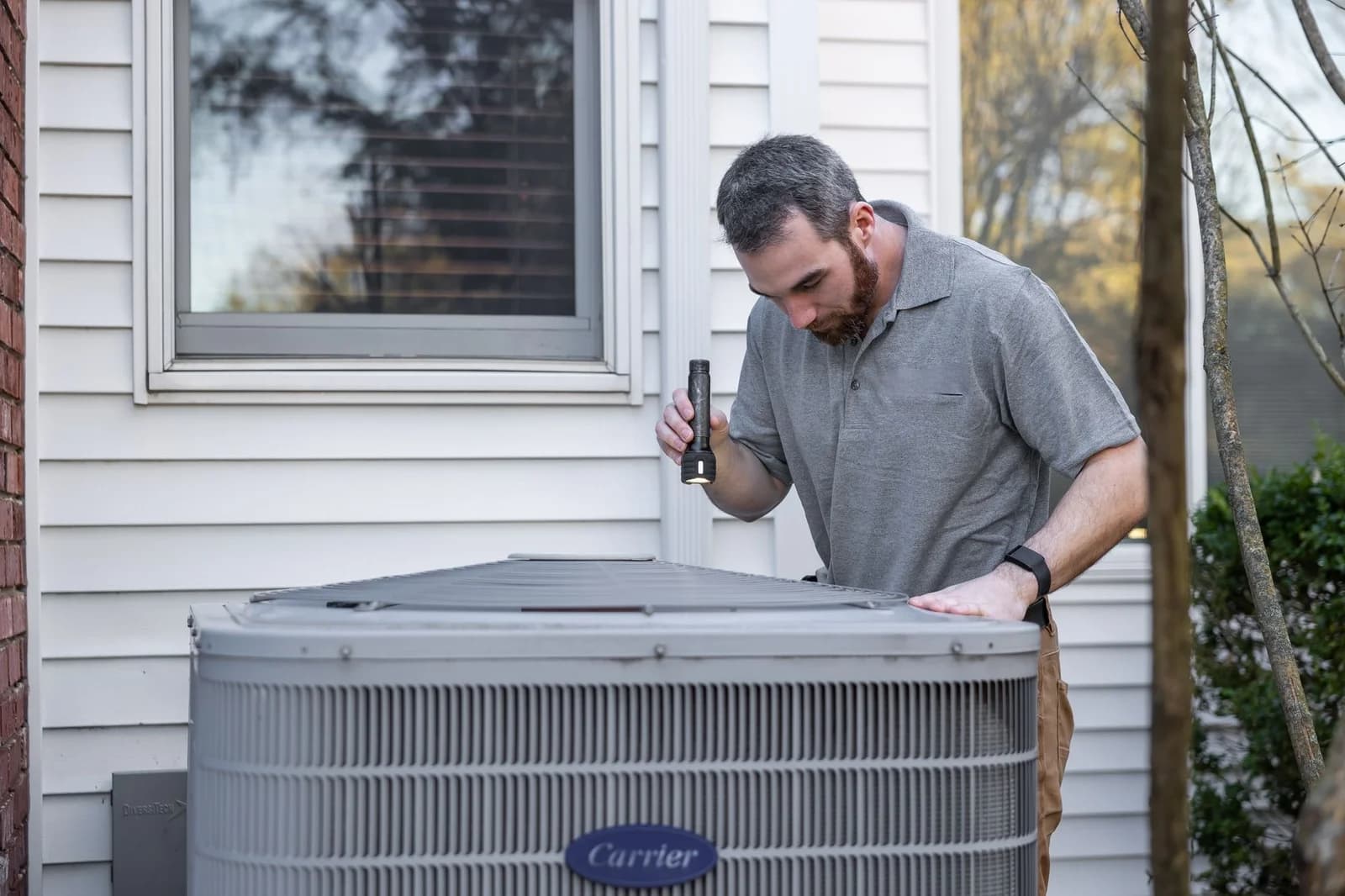
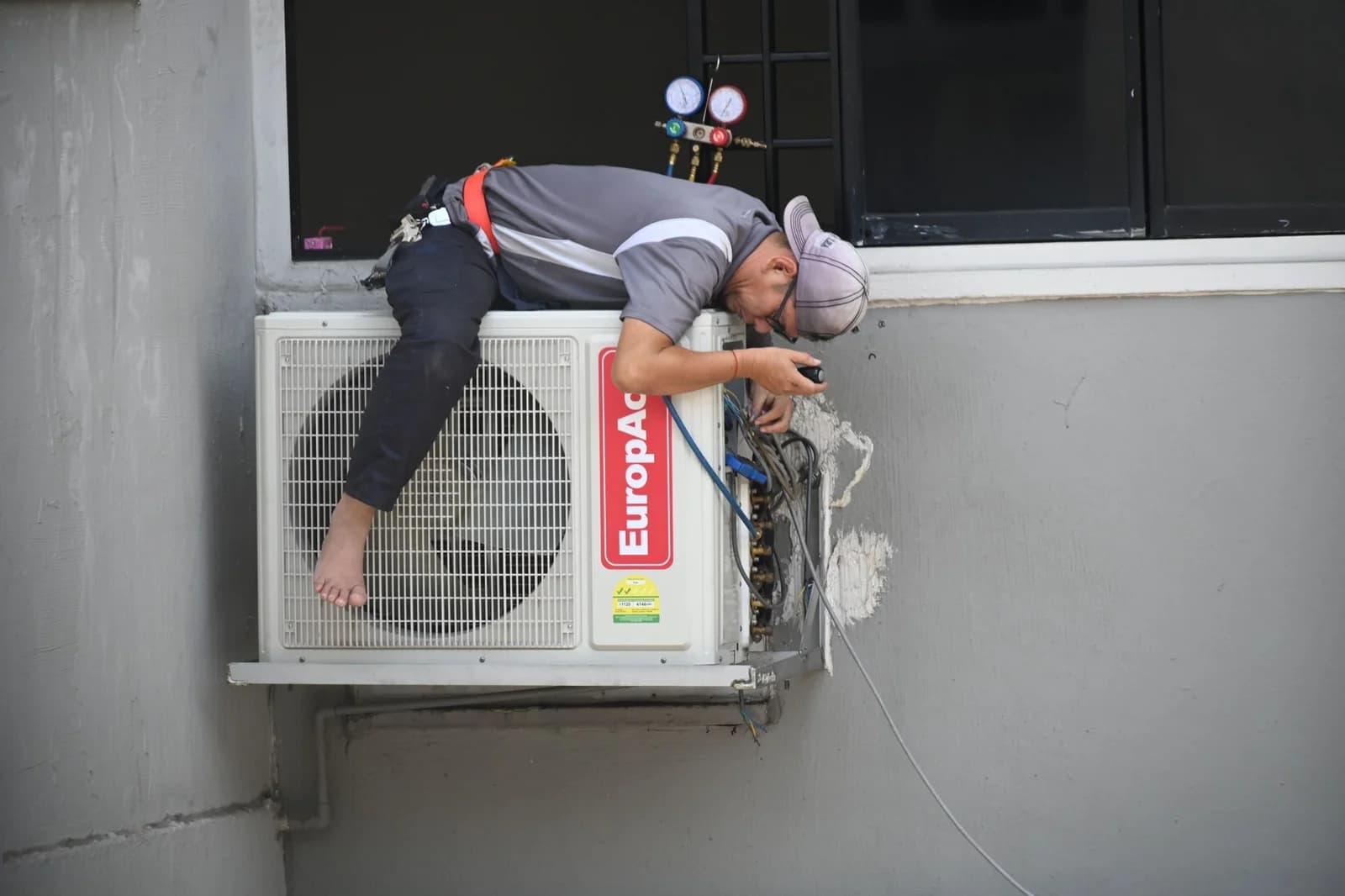
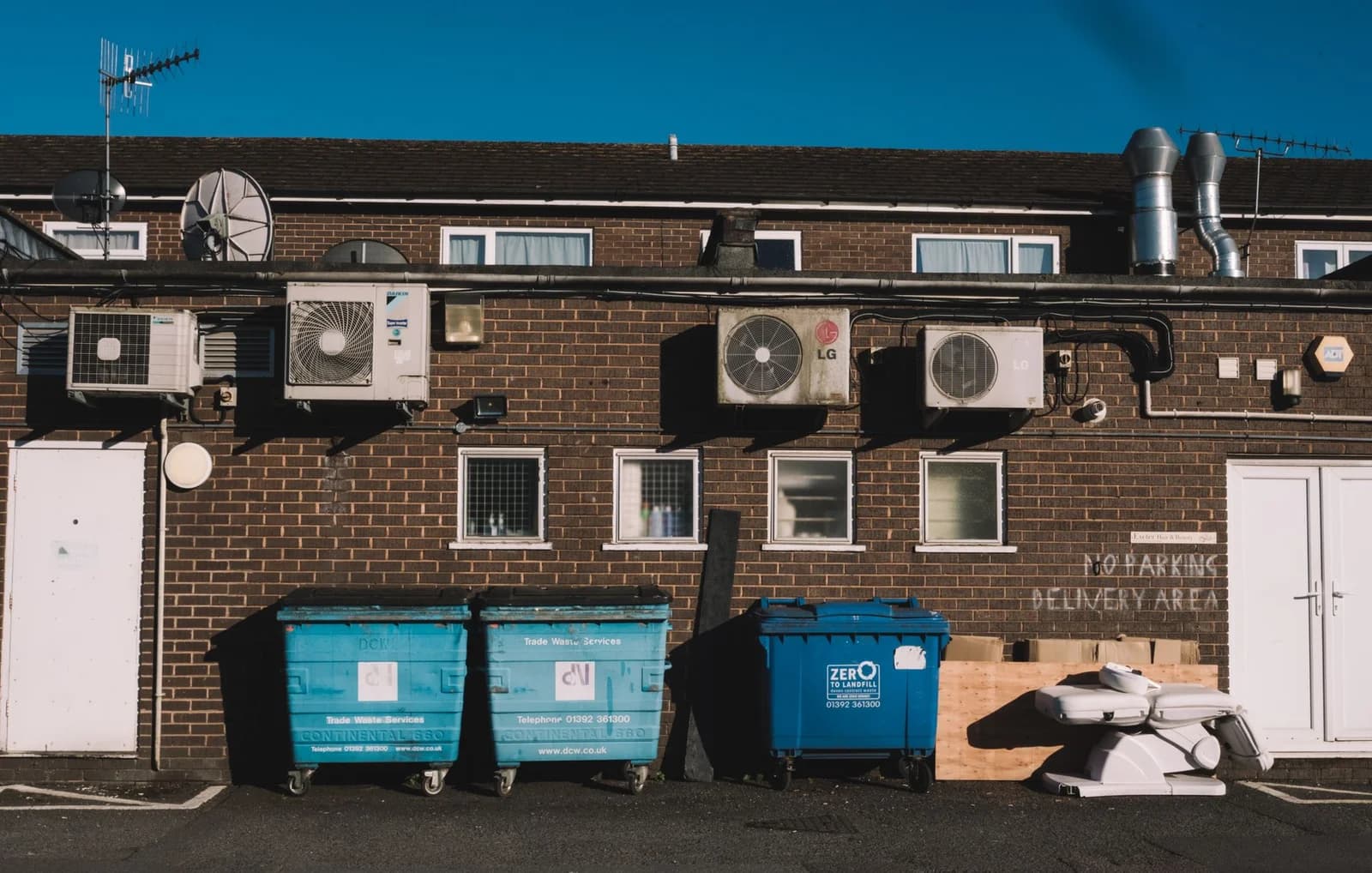
A property manager scheduling HVAC work in a gated community like Bell Canyon or Hidden Hills, or in a West Hollywood condo building with an active HOA, cannot treat equipment installation the way work on a standalone home with no association oversight gets treated. Exterior equipment, condensers, mini split outdoor units, rooftop package units, is exactly the kind of visible, potentially noisy addition that CC&Rs are written to control. Skipping the approval step does not just risk a fine. It risks a stop-work order after the crew has already shown up, the equipment has already been delivered, and the schedule has already been built around a completion date that now has to move.
West Hollywood AirCon Co. builds HOA coordination into the installation timeline for every job on an association-governed property, and understanding why each step of that process exists helps a property manager plan realistic timelines instead of promising an owner or a tenant a date the paperwork cannot support.
Step One: Confirm What the CC&Rs Actually Require
Every association's governing documents are different, and assuming last year's approval process still applies is a common mistake. Bell Canyon's roughly 1,200 gated homes operate under CC&Rs that require pre-approval for essentially any exterior installation, with specific setback, screening, and noise requirements written into the document itself. A property manager working across multiple associations needs to pull the current CC&R language for HVAC equipment specifically, rather than relying on memory from a different building's rules.
Step Two: Prepare the Submission Package
Most boards want to see more than a verbal description of the planned work. A complete submission typically includes the equipment model and its sound rating, the proposed location with distances to property lines, and a description of any screening or fencing planned to shield the unit from view. Submitting an incomplete package is the single most common reason approval takes longer than expected, since it usually triggers a request for more information rather than an outright denial, and that back-and-forth costs real weeks.

Step Three: Understand the Board's Review Timeline
Association boards typically meet on a set schedule, not on demand, which means a submission that arrives the week after a monthly meeting may sit until the next one. Building this timeline into the project schedule from the start, rather than assuming approval will come through quickly once asked, is what separates a property manager who hits a promised completion date from one who has to call an owner about a delay nobody saw coming.
Step Four: Address Setback and Screening Requirements
Setback rules exist because a condenser placed too close to a shared property line can put noise and airflow directly against a neighbor's window. Screening requirements exist for the same underlying reason applied to sightlines rather than sound: an association that has spent years maintaining a consistent visual standard across a community does not want one property introducing exposed equipment that breaks that pattern. Neither requirement is arbitrary, and a property manager who understands the reasoning behind each one can explain it to an owner frustrated by the added cost of a screening enclosure, rather than simply relaying a rule that sounds bureaucratic without context.
Step Five: Schedule the Work Around Building Access Rules
Approval to install equipment is not the same as approval for a crew to access the property whenever it wants. Many associations, and many West Hollywood condo buildings, have separate rules about work hours, contractor parking, and which entrances a crew can use. Coordinating this in advance means the crew arrives to a confirmed access plan rather than losing the first hour of a scheduled visit figuring out where a service vehicle is allowed to park on a narrow street with permit restrictions.
Step Six: Document the Completed Installation
Once the work is finished, many associations expect a closing document confirming the installation matches what was approved. This is the step property managers skip most often, simply because the pressure is off once the equipment is running. Skipping it, though, means there is no record on file if a future board member or a neighbor questions the installation years later. Closing the loop with the association protects the property manager the same way a maintenance record protects them after a repair.
Common Reasons Boards Deny or Delay a Submission
A handful of issues account for most of the delays we see. An equipment model with a sound rating above what the association's noise policy allows is the most frequent one, and it is worth checking equipment specifications against the association's stated limit before submitting rather than after a board flags it. A proposed location that does not meet the stated setback distance is the second most common issue, particularly on smaller lots where the distance to a property line is tighter than a property manager initially assumed. Missing screening details, a plan that mentions equipment placement but does not describe how it will be shielded from view, rounds out the list. Checking a submission against all three before it goes to the board avoids the single longest delay: a resubmission cycle that waits for the next scheduled meeting.
Coordinating Approval Across Multiple Associations at Once
A property manager overseeing units across several HOA-governed communities, Bell Canyon, Hidden Hills, and Calabasas among them, is working with boards that each set their own meeting schedule, their own submission format, and their own specific rules within the broader CC&R framework. Treating every submission as identical because the underlying equipment is the same is a common mistake. Building a simple tracking sheet, one row per association with its meeting date, submission deadline, and required documents, keeps a multi-property manager from missing a deadline for one board while focused on another.
What a Denied Submission Actually Means
A denial is rarely final. In most cases it means the board wants a specific change, a different screening approach, a relocated unit, a quieter equipment model, before it will approve the work. Reading a denial as a request for revision rather than a closed door, and responding with the specific change requested rather than resubmitting the same package unchanged, tends to move a second submission through far faster than the first one did.
What Happens When a Property Manager Skips the Process
We have coordinated recovery for installations that moved forward without approval, usually because a property manager underestimated how strictly an association enforces its CC&Rs, or assumed a small mini split outdoor unit would not draw attention. The outcome rarely justifies the time saved upfront: a stop-work order, a retroactive submission process that takes longer than the original one would have, and in some cases a required relocation of equipment already installed and wired.
Building the Timeline Into Your Own Communication With Owners
An owner asking why an installation has not started yet does not want to hear that the paperwork is still pending without further context. Explaining the specific step the submission is at, waiting on the next board meeting, addressing a screening revision, confirming access scheduling, gives the owner a concrete answer rather than a vague sense of delay, and it sets an expectation for when the next update will actually come rather than leaving them checking in every few days.
Plan the Timeline Before You Promise a Date
If you manage a property inside an HOA and need HVAC equipment installed or replaced, West Hollywood AirCon Co. can walk through the association's requirements with you before we schedule the crew, so the completion date you give an owner or a tenant actually holds. Call (877) 629-5217 to start that conversation.
Need Professional HVAC Service?
Our HVAC-experienced technicians are ready to help with all your AC and heating needs. Contact West Hollywood AirCon Co. today for expert service throughout the the Surrounding Los Angeles Neighborhoods service area.