
Where Portfolio-Wide Cooling Costs Actually Come From
When utility costs climb across several units at once, the instinct is often to start pricing new equipment for the oldest systems in the portfolio. Before committing that kind of budget, it is worth understanding where the waste is actually coming from, because in our experience across West Hollywood and Beverly Hills buildings, a meaningful share of it has nothing to do with the age of the equipment itself.
This is where the property-manager version of an efficiency review looks different from a single-homeowner version. A homeowner fixes one house. A property manager overseeing several units needs a process that scales, something that can be applied the same way across every unit in a building without a custom assessment for each one.
Start With a Standard Coil Cleaning Cycle Across the Portfolio
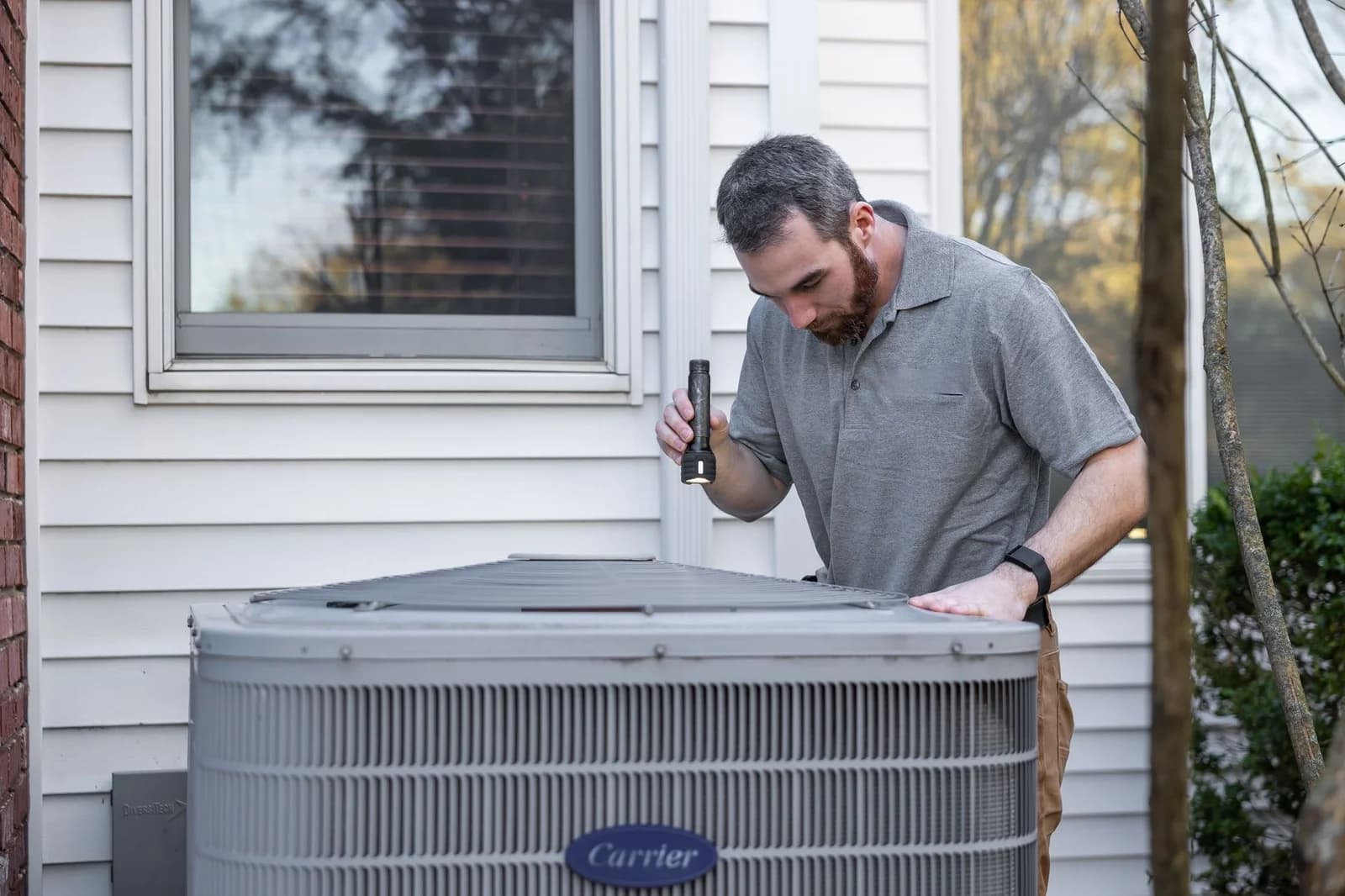
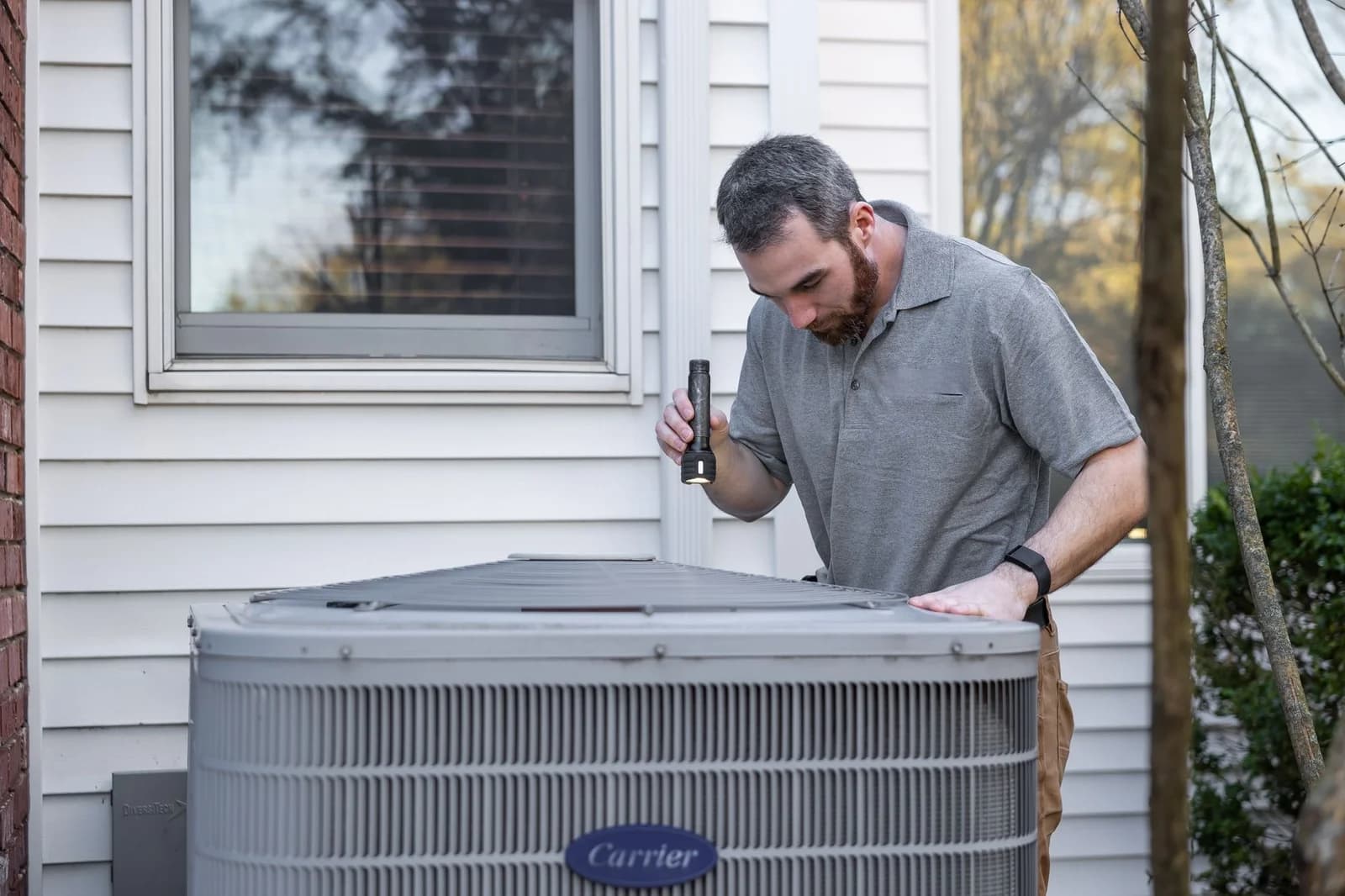
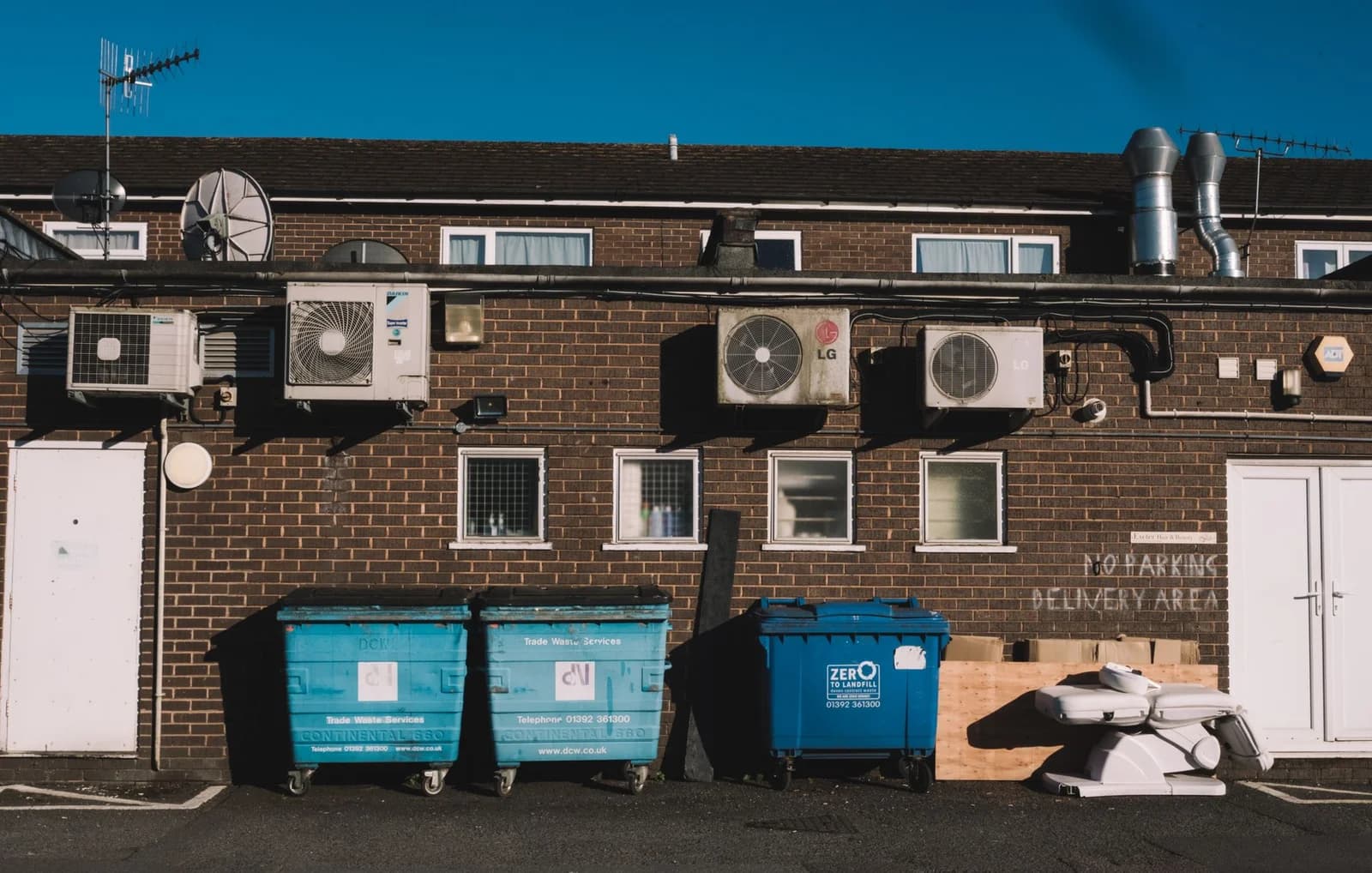
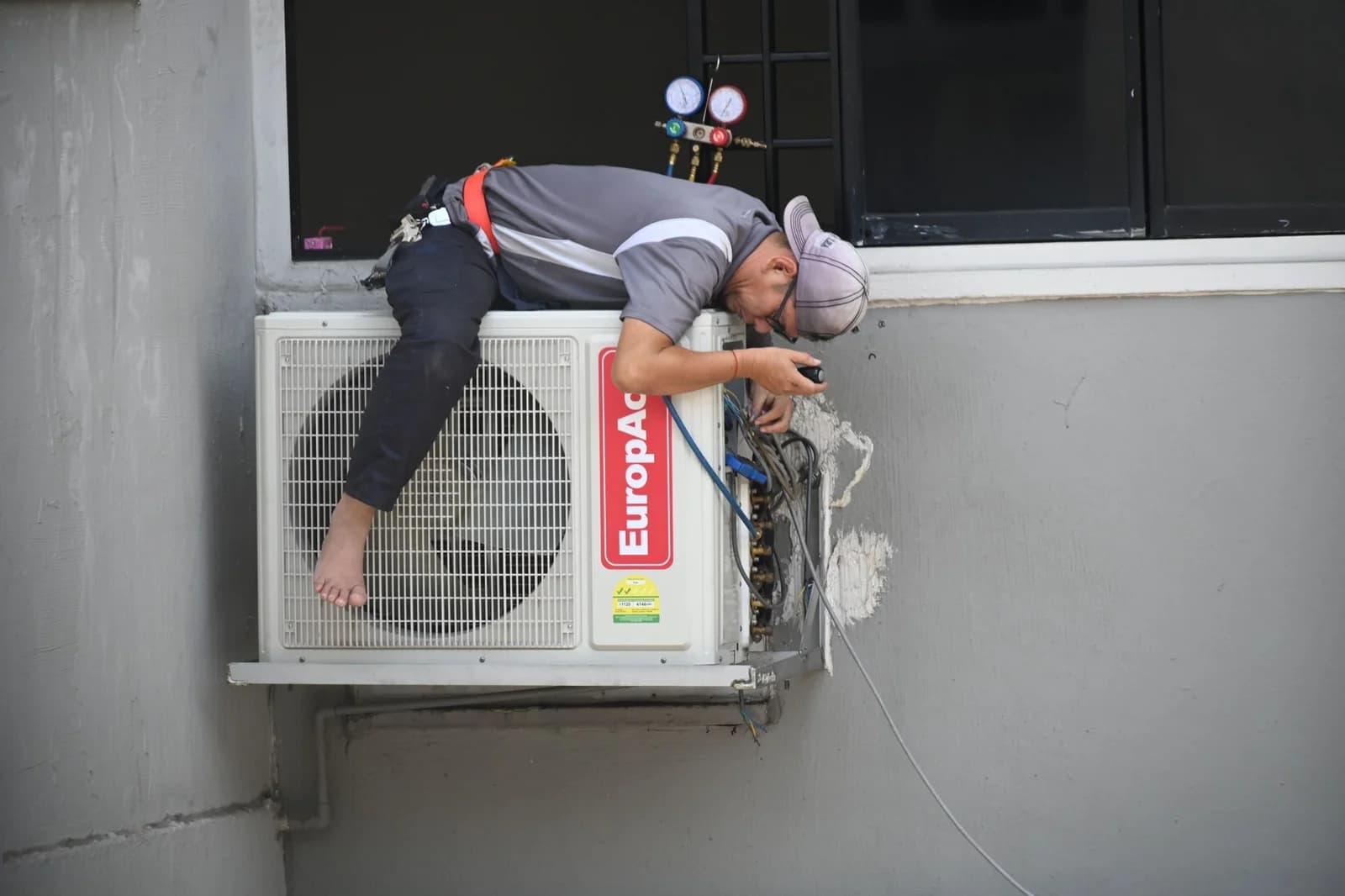
A dirty condenser coil is the most common reason a working system draws more electricity than it should, and it is also the easiest thing to standardize across a portfolio. Rather than waiting for individual complaints to trigger individual service calls, scheduling a coil cleaning pass across every unit in a building on the same seasonal cycle catches units that are quietly running inefficiently without anyone having noticed yet. This matters most for rooftop-mounted equipment along the Santa Monica Boulevard corridor, where airborne grit accumulates faster than it would in a quieter residential setting.
Standardize the Thermostat Setup, Not Just the Hardware
Two identical thermostats set up differently by two different tenants will produce two very different utility outcomes. A property manager cannot control how a tenant chooses to run their unit day to day, but a standard default schedule set at move-in, rather than leaving every new tenant to configure a factory-default thermostat from scratch, tends to produce more consistent results across a building than hoping each tenant figures it out on their own.
Address West-Facing Exposure as a Building-Wide Issue
If a building has a run of west-facing units, upper-floor apartments with views toward the hills are a common example in West Hollywood, those units carry a heavier cooling load than east-facing units in the same building purely because of solar exposure in the late afternoon. Treating this as a building-wide pattern rather than a series of individual tenant complaints lets a property manager address it once, with shading or window film applied consistently to the affected units, rather than responding to the same underlying issue unit by unit as complaints trickle in.

Check Return Air Paths During Turnover, Not Just Move-In
A blocked return air grille is one of the easiest things to miss during a standard move-in walkthrough, since furniture placement often changes within the first few weeks of a tenant moving in. Building a return-air check into the turnover process, both at move-out and again a few weeks after move-in, catches this pattern before it becomes a recurring complaint that looks like an equipment problem but is really a furniture-placement problem.
Seal Common-Area Duct Runs During Scheduled Maintenance
In buildings where ductwork passes through shared attic or crawl space areas, a leak in one section can affect efficiency in ways that are hard to trace back to a single unit's complaint. Because this ductwork often serves or passes near several units, sealing it belongs on a building-level maintenance schedule rather than waiting for one tenant to notice a problem and file a work order.
| Fix | Applies Building-Wide | Requires a Technician |
|---|---|---|
| Coil cleaning cycle | Yes | Yes |
| Standard thermostat default | Yes | No |
| Shading on west-facing units | Yes | No |
| Return-air turnover check | Yes | No |
| Shared duct sealing | Yes | Yes |
Two Items That Cannot Be Standardized Without a Technician
Coil cleaning and shared duct sealing both require a technician on site, since confirming the work was done correctly needs equipment and training a property management team does not typically carry in-house. Everything else on this list, thermostat defaults, shading, and turnover checks, can be built into standard operating procedure and run by whoever handles unit turnover, without waiting on a scheduled service visit.
Tracking the Fixes Across the Portfolio
None of the fixes above help much if nobody tracks which units have received them. A simple tracking sheet, one row per unit with a column for each fix and the date it was last applied, turns a scattered set of good intentions into a portfolio-wide view of where the gaps actually are. Without that sheet, it is easy to assume a fix has been applied everywhere when it has actually only reached the units that happened to generate a complaint, while quieter units that never called in simply never got addressed.
Why Consistency Beats a One-Time Audit
A single efficiency sweep across a building feels productive, but the value fades within a season if the underlying habits do not change. A thermostat default set correctly at turnover only stays correct if every future turnover follows the same process, not just the one where someone happened to remember. Building these fixes into a repeatable checklist, rather than treating them as a one-time project, is what actually keeps a portfolio's utility costs from drifting back up the following year.
Reporting the Results to Owners
Owners who ask why utility costs are climbing across a property respond better to a specific answer than a general reassurance. Being able to say which units received a coil cleaning this cycle, which units got shading added, and which units still need a technician visit gives an owner something concrete rather than a vague promise that the situation is being handled. This is another place where the tracking sheet described above earns its keep well beyond the maintenance team's own use, since it becomes the exact document a property manager pulls up when an owner asks for an update mid-cycle rather than at the end of the year.
When the Portfolio Genuinely Needs Equipment Replaced
After the fixes above are standardized across a building, any unit still running noticeably worse than its neighbors is a much clearer replacement candidate than it would have been before ruling out the cheaper causes first. This turns a vague sense that the whole building's utility costs feel high into a short, specific list of units that actually need capital spending, rather than a blanket replacement decision made on a hunch.
Setting a Realistic Cadence for the Full Cycle
Not every fix on this list needs to happen at the same frequency. Coil cleaning and thermostat default checks fit naturally into an annual cycle, while a return-air check can ride along with routine turnover inspections that already happen far more often. Matching each fix to a cadence that fits how the portfolio already operates, rather than inventing a separate new schedule for each item, is what keeps a standardized process from becoming another task nobody has time to run consistently.
Build the Standard Process for Your Portfolio
If utility complaints are climbing across your buildings and you want a process that scales across units rather than a one-off fix for a single tenant, contact West Hollywood AirCon Co. at (877) 629-5217. We can walk your team through a standardized maintenance cycle built around your portfolio rather than treating every unit as its own separate case.
Need Professional HVAC Service?
Our HVAC-experienced technicians are ready to help with all your AC and heating needs. Contact West Hollywood AirCon Co. today for expert service throughout the the Surrounding Los Angeles Neighborhoods service area.